

HONORÉ DAUMIER. Mirror of Society
Honoré Daumier lived in an age of profound transformation. The 19th century was marked not only by technological innovations such as photography and the railway, but also by political upheavals: revolutions, shifts of power, the fall of monarchy. Within this dynamic landscape, Daumier developed an artistic practice that did not merely represent reality, but intervened — commenting, sharpening, challenging.
The film accompanying the exhibition at the Albertina, in which curator Laura Ritter guides us through key works, portrays an artist for whom art was inseparable from conviction. For Daumier, caricature was not simply an aesthetic form, but a political instrument. His works targeted the structures of power of his time — and repeatedly made him a subject of state censorship. On several occasions, he was even imprisoned for his critical publications.
At the same time, he developed a visual language of remarkable precision. One of his most iconic motifs, the pear, became a visual shorthand for King Louis-Philippe — a subtle yet unmistakable form of critique that evaded censorship and gained strength through its very indirection. In works such as Gargantua or Le Ventre législatif, Daumier exposes political elites as idle, self-serving, and corrupt — doing so with a striking combination of humor, acuity, and technical mastery.
Yet Daumier’s gaze extends far beyond high politics. Again and again, he turns to everyday life — to the Parisian bourgeoisie, to small, intimate scenes marked by exhaustion, tenderness, and absurdity. It is precisely in these seemingly minor observations that a defining quality of his work emerges: the ability to reveal the universal within the particular.
Technically, Daumier moved fluidly across media. As a lithographer, he achieved an unprecedented subtlety of tonal gradation; as a draughtsman and sculptor, he sharpened the sense for character and type; and as a painter, he developed a free, almost modern pictorial language that would influence artists such as Degas and Cézanne.
Over more than four decades, Daumier became a sensitive seismograph of his society. His works do not merely reflect its contradictions — they render them visible, often with a humor that cuts deep and a clarity that continues to resonate today.
This film invites us to rediscover Daumier: as a chronicler of his time — and as an artist who reveals how closely art, critique, and public life are intertwined.
https://www.albertina.atDas könnte Sie auch interessieren
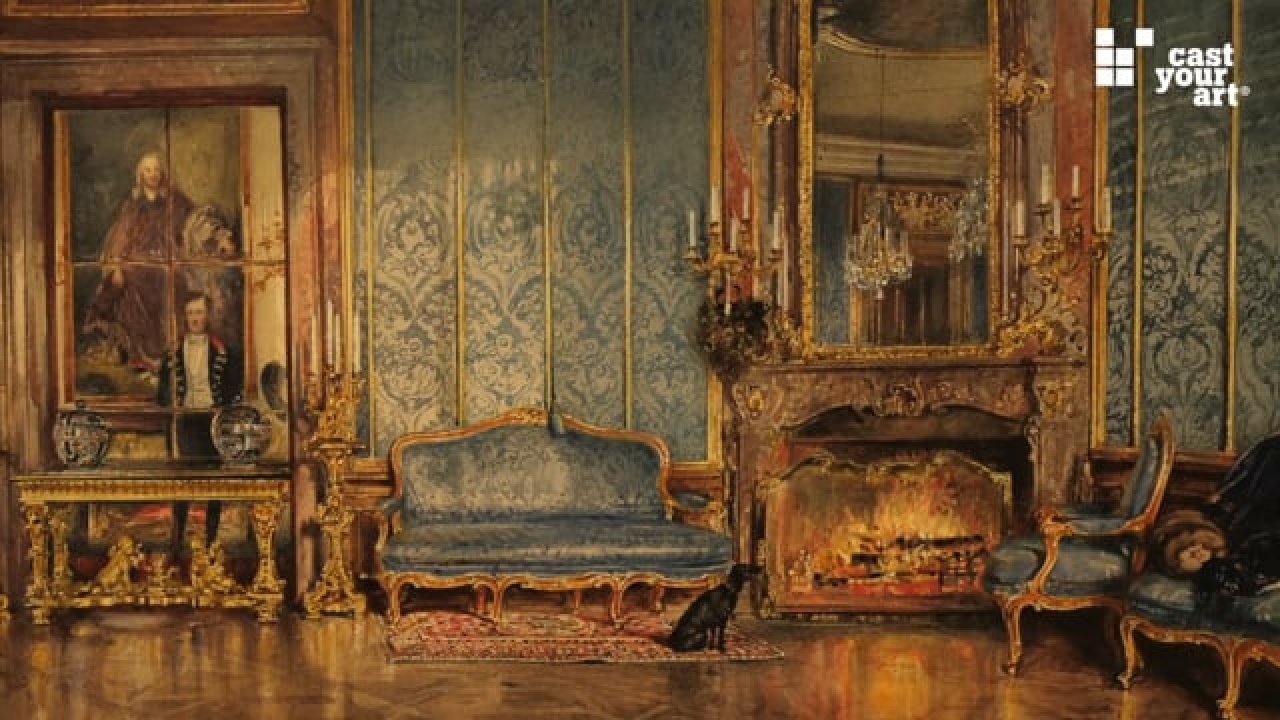
RUDOLF VON ALT UND SEINE ZEIT. Aquarelle aus den Fürstlichen Sammlungen Liechtenstein
11. April 2019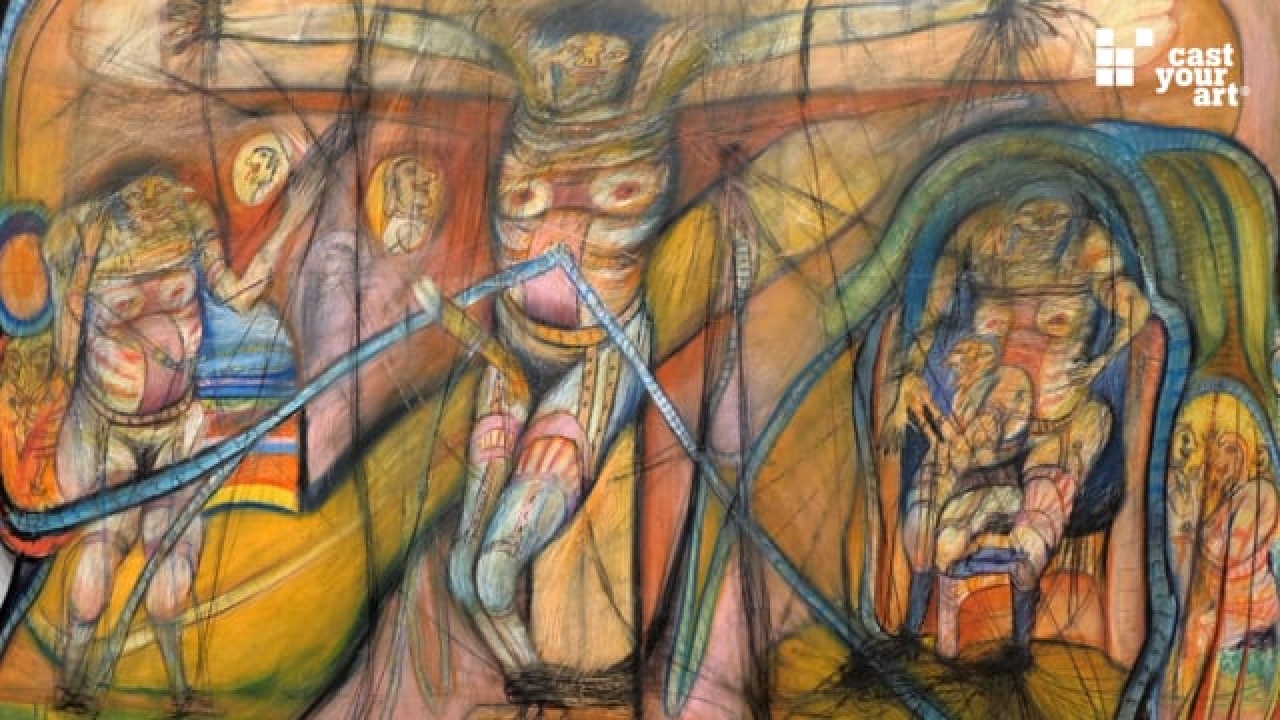
THE BEGINNING. Art in Austria, 1945-1980. #8 Art Brut
7. September 2020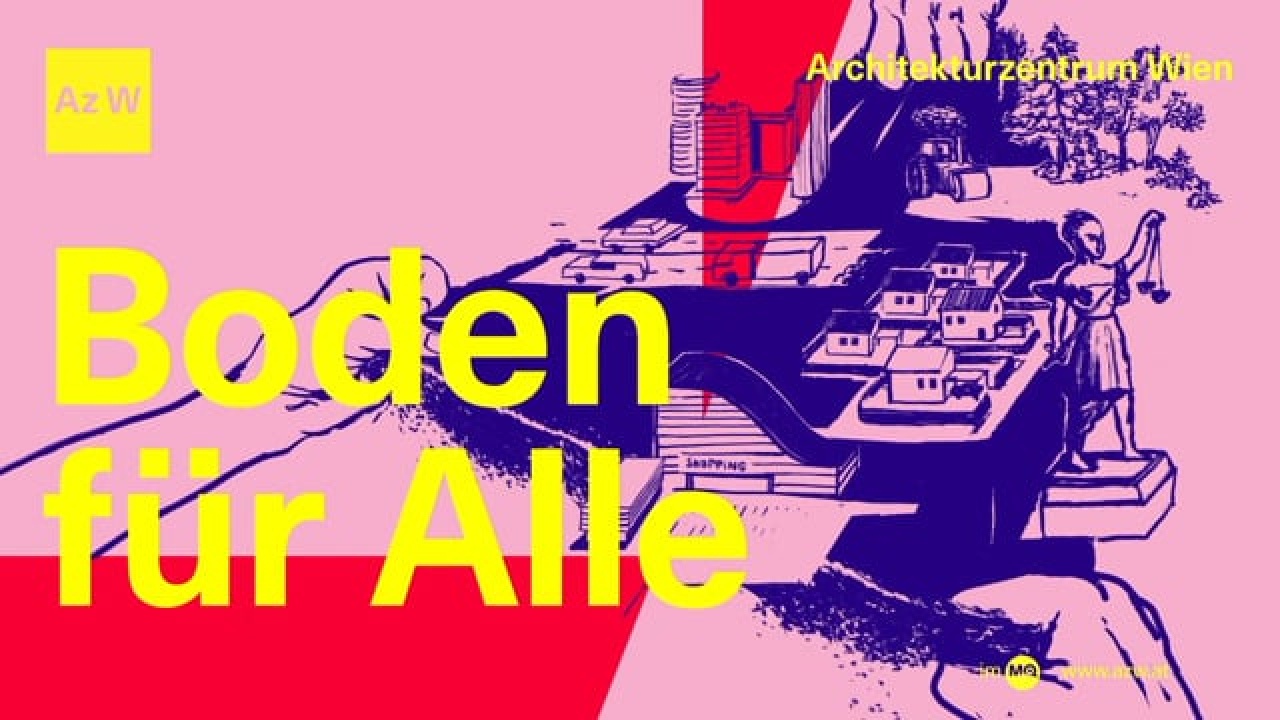
LAND FOR US ALL. An exhibition at the Architekturzentrum Wien
17. December 2020
TABITA REZAIRE. Calabash Nebula. Cosmological Tales of Connection
3. January 2026
MARIO KIESENHOFER. Treasure
8. November 2023
Rudolf Rischer - Of Drawing and Stage
23. February 2018
BORJANA VENTZISLAVOVA. We/re nature im tresor des Bank Austria Kunstforum Wien
25. March 2021