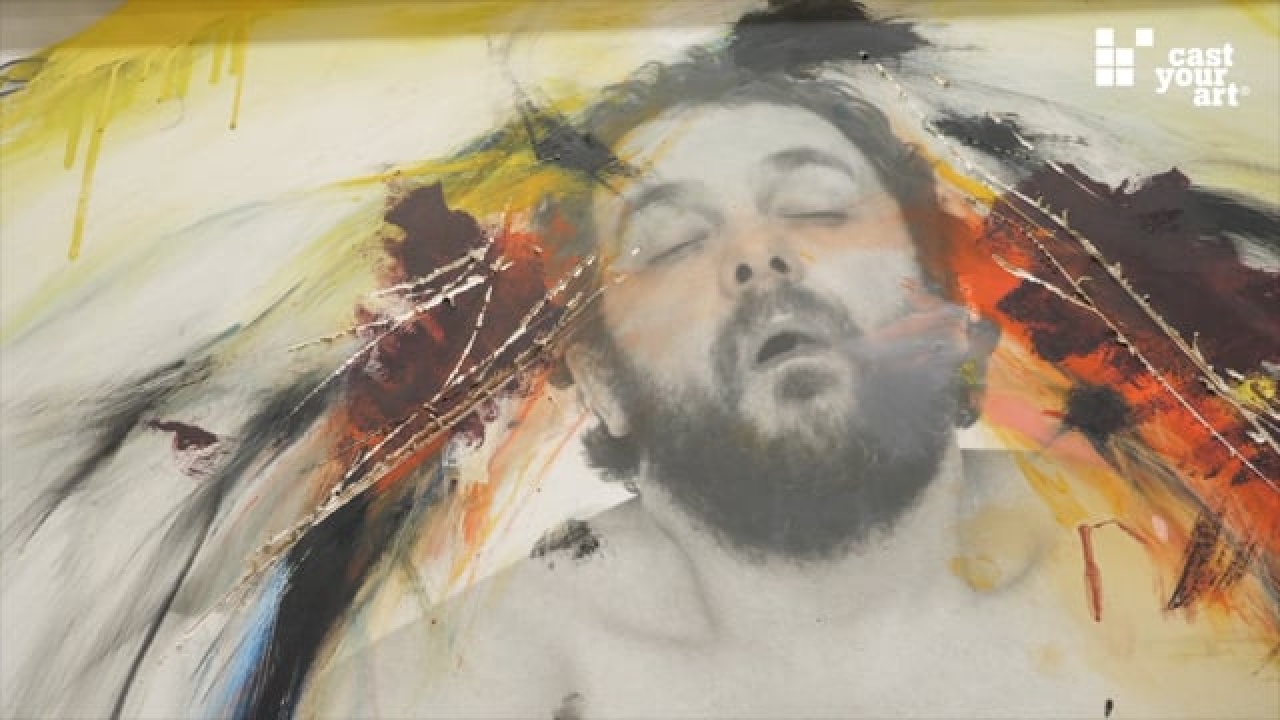


RAINING BLOOD. Photography and Arms Trafficking
The arms trade is usually described in numbers: quantities, revenues and political agreements. Yet behind these figures are people whose lives are transformed, threatened or destroyed by weapons. How can this human dimension be made visible? And what role do images play in shaping our perceptions of war, violence and other societies across generations?
The exhibition Blood Rain. Photography and the Arms Trade at Weltmuseum Wien begins with a surprising gap in the museum’s own collections. While historical photographs show people from the Global South carrying modern firearms, the museum’s object collection contains primarily bows, arrows and spears. What does this discrepancy reveal about the ways in which objects have been collected, classified and incorporated into historical narratives? And how do colonial assumptions continue to shape our perceptions of weapons and the people who carry them?
At the intersection of photography, art and history, the exhibition unfolds a complex picture of the arms trade and its consequences. It examines colonial power relations around 1900, explores the entanglement of photography and the arms trade, and reveals how artists have responded to the violence of their times – caught between the fear of nuclear annihilation and the conviction that access to weapons can be necessary to resist oppression and imperialism.
The focus extends beyond weapons themselves to the ways people seek to protect themselves against violence: through spiritual practices, objects believed to offer protection, and practical means of preserving their ability to act in the face of danger. At the same time, artistic works reveal how far the consequences of war can reach. Displacement, the loss of family ties and the erasure of personal histories do not necessarily end when the fighting stops. Their effects can persist across generations.
The exhibition also asks who has the authority to tell history, and from whose perspective. Photographs bear witness to past realities, but they are never simply neutral representations. They shape perceptions, reproduce power relations and help determine who becomes visible and who remains unseen. Examining the museum’s own collections thus becomes an inquiry into the conditions under which museums produce and communicate knowledge.
In the film, Claudia Banz, Director of Weltmuseum Wien, and curator Hanin Hannouch discuss the origins of the exhibition, its historical and social dimensions, and the questions they themselves take away from it. Their conversation explores weapons and their images, violence and resistance, and the responsibilities of museums. At its heart lies a human need that transcends geographical and historical boundaries: the desire for protection and for a future in which the next generations can live.
Das könnte Sie auch interessieren

Fuckhead – This Beautiful Song
18. June 2008
Collection Hubert Looser - My Private Passion
17. April 2012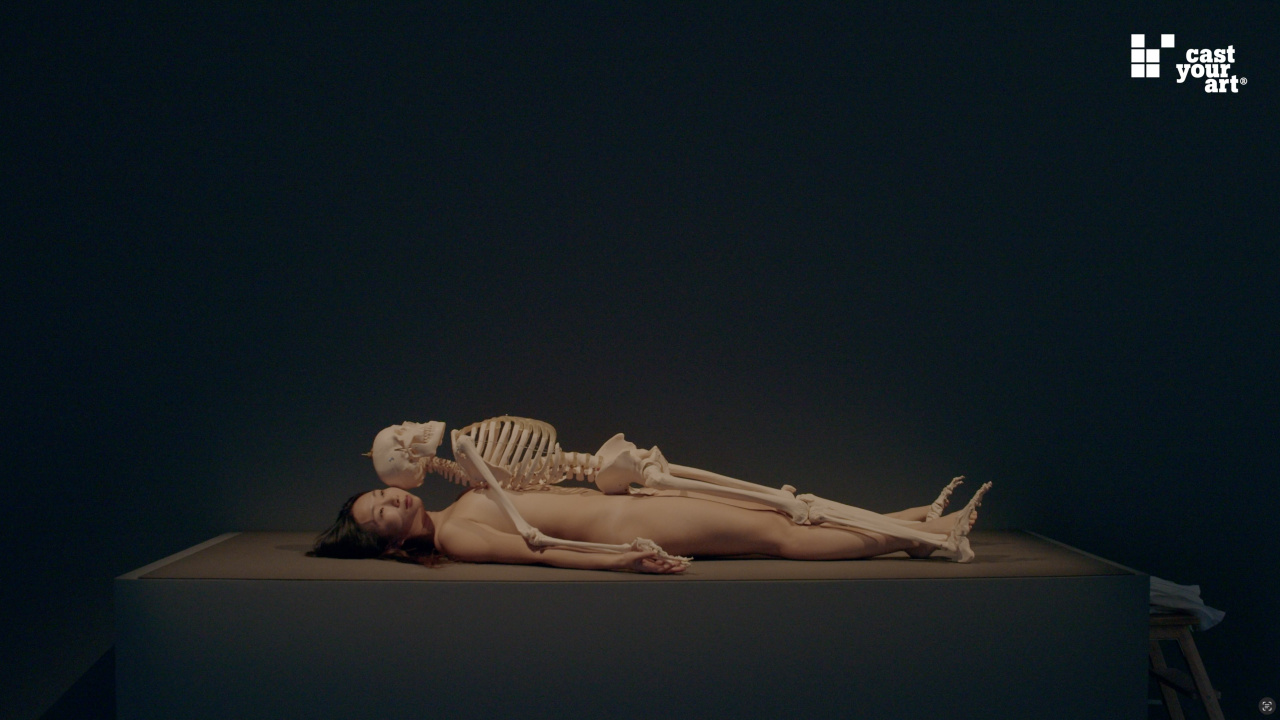
PRESENCE AS ART. Ralph Gleis on Marina Abramović
18. December 2025
ALBERTINA TOURS & TALKS: Hubert Scheibl and Antonia Hoerschelmann guide us through the exhibition
29. November 2021
Abstract Painting Now! - Kunsthalle Krems
4. July 2017
TINA DOBRAJC. As Change Sweeps Across the Land
29. November 2024
KITEEZI. Njola Impressions
12. June 2026