

HAAKON NEUBERT. Whom do we paint for?
What does it mean to paint—not as a profession or a product, but as a way of being in the world? In this intimate portrait of STRABAG Art Award International winner Haakon Neubert, painting emerges less as an act of representation and more as a form of orientation: a way to return to oneself when everything else falters.
Neubert speaks of the studio as a kind of refuge—not because it offers escape, but because it insists on presence. The act of painting becomes something steady and reliable, grounded in repetition and in a deeply personal visual language that resists easy translation. His works draw from lived experience: fleeting returns to places of the past, the quiet tension of everyday situations, the embodied memory of gestures as simple as waiting in line. These moments are not monumental, yet in his hands they acquire a subtle, almost disquieting intensity.
At the core of his practice lies a question that gradually displaces another: not why paint, but for whom. Neubert’s answer is disarmingly direct—he paints for others, for those who might recognize themselves in the figures he depicts. His paintings invite a kind of mutual recognition, where the boundaries between observer and subject begin to blur.
At the same time, his work reflects on the conditions of its own visibility. What happens when an image refuses to fully reveal itself? When it withholds, obstructs, or turns inward? In describing a recent body of work, Neubert evokes the figure of a mason who incrementally blocks the view of the painting itself—an image that seems to question the very premise of showing.
The film accompanying this text brings together Neubert’s reflections with glimpses of his painterly world: surfaces built through restraint, figures caught between action and hesitation, hands that grasp rather than touch. It is a portrait of an artist navigating between openness and control, between the desire to connect and the impulse to withdraw.
In the end, painting appears not as a resolved answer, but as a continuous negotiation—between self and other, visibility and resistance, holding on and letting go.
https://strabag.art/Das könnte Sie auch interessieren

GERHARD RICHTER. Landscape
24. October 2020
GABRIELLE KOURDADZÉ. À la ligne
28. February 2025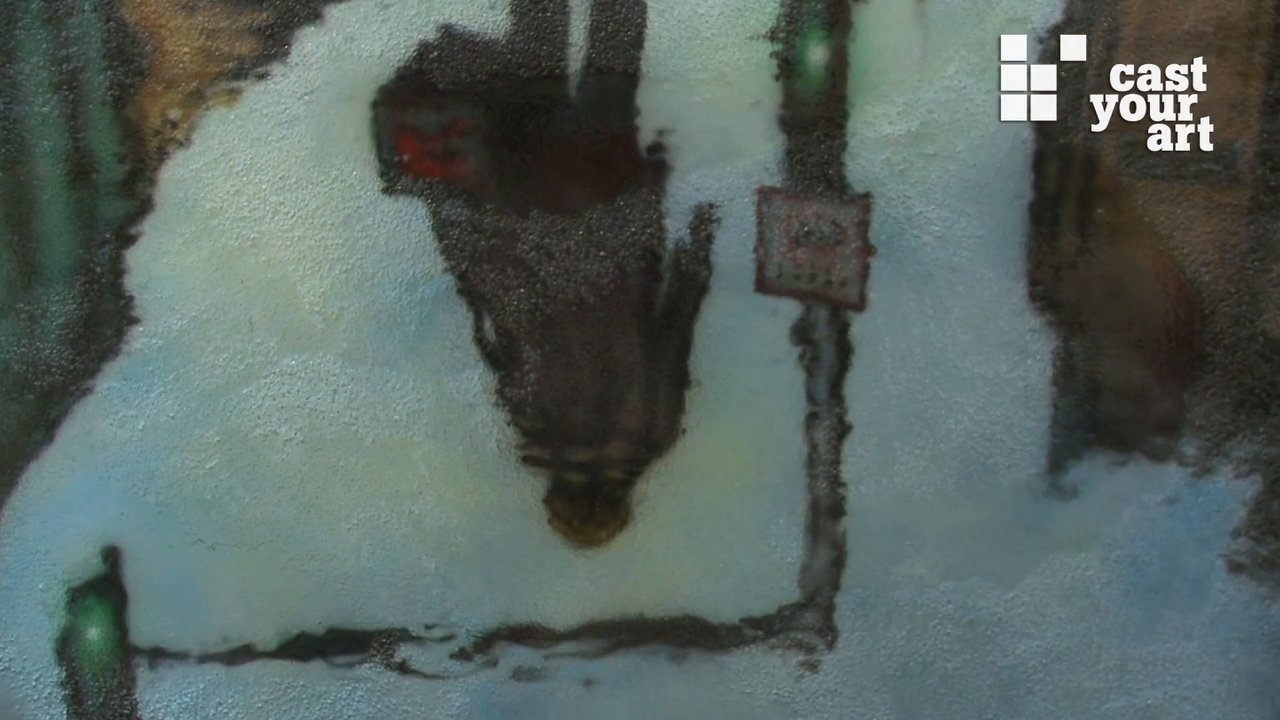
Michael Scheirl – Typologies of the Invisible
27. December 2014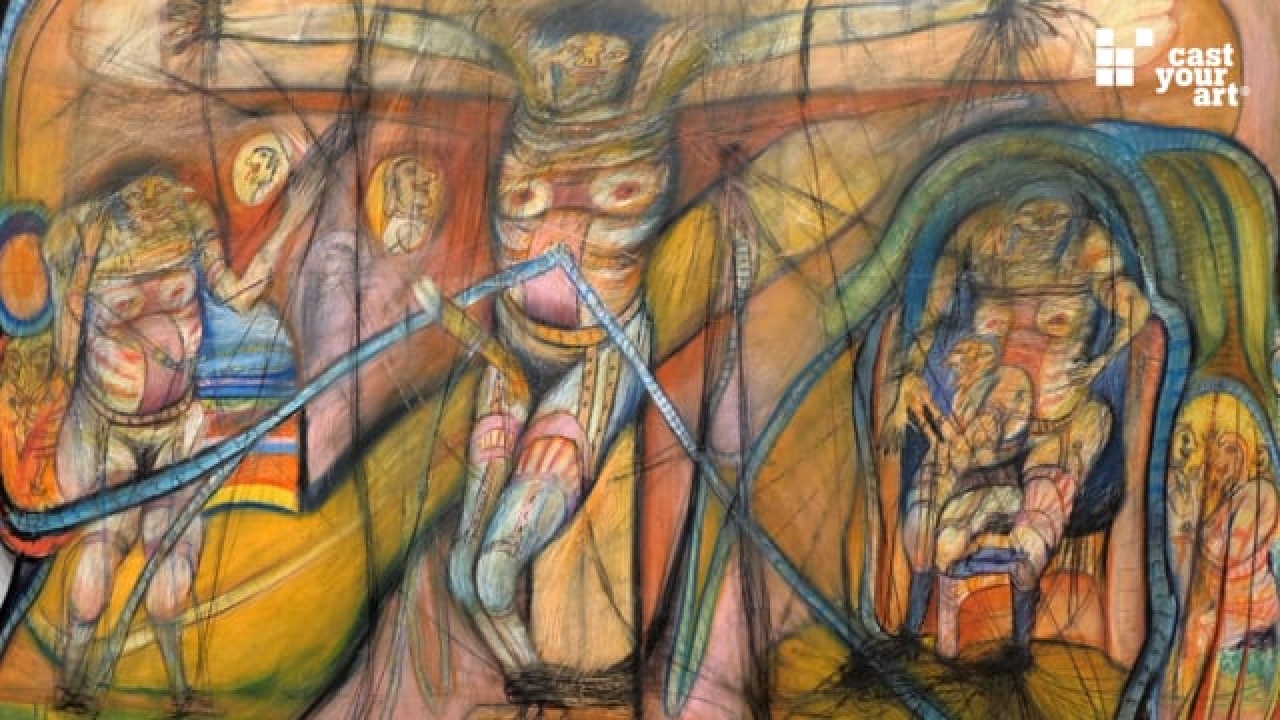
THE BEGINNING. Art in Austria, 1945-1980. #8 Art Brut
7. September 2020
Man Ray - Unconcerned but not Indifferent
27. February 2018
MARC BAUER. Why Drawing Now, im Albertina Museum
10. November 2015
Landscape in my Mind - Painting with the Camera
11. February 2015