

SUPERFLUX. The Craftocene
What will remain of us — and who will we have been?
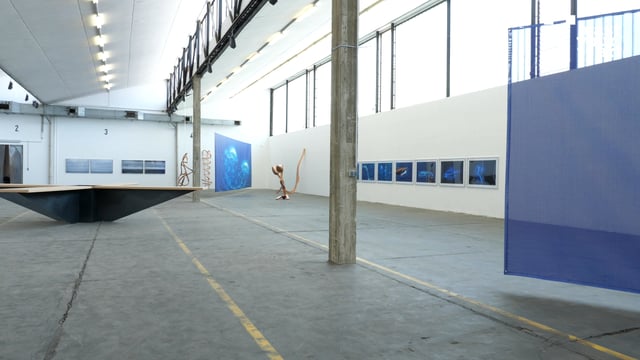
With The Craftocene, Studio Superflux creates a space for thought at the Weltmuseum Wien in which present, past, and future begin to intertwine. In our film, artists Anab Jain and Jon Ardern, together with director Claudia Banz, reflect on an exhibition that offers not so much answers as a fundamental shift in perspective: away from the idea of the human as the center of the world, toward a mode of thinking grounded in relationships, interdependencies, and shared existence.
At its core lies a question both simple and radical: What kind of ancestors will we be? It directs our gaze not only toward the future, but above all toward the present — toward those decisions, narratives, and habits that determine what will remain of us. Superflux approaches this through what might be described as speculative archaeology: their works read our present from the vantage point of a distant future, making visible what we may have long taken for granted — the belief in growth, in constant escalation, in “more” as a guiding principle.
Against this, The Craftocene proposes another model. While the Anthropocene describes the human as a dominant force, the term coined by Superflux suggests a “more-than-human” understanding: a world in which humans, animals, plants, and unseen systems are conceived as interconnected agents. In installations such as Refuge for Resurgence, this idea becomes tangible — as a shared table where different species gather to imagine new forms of coexistence from the remnants of an exhausted world.
What is at stake here is not only knowledge, but perception. Superflux translates abstract futures into embodied, atmospheric experiences. Data, myth, material, and space converge into environments that are not only to be understood, but to be felt. It is an attempt to reawaken those “sensory languages” that connect us to other forms of life — beyond rationality and control.
For Claudia Banz, this is precisely where the exhibition’s relevance for an ethnological museum lies. The Craftocene opens up a new way of looking at collections: as archives of lived relationships to the world — and at the same time as reservoirs of possible futures. What emerges is a perspective in which the past is not closed, but acts as a resource for imagining what is yet to come.
The film follows these reflections and guides us through an exhibition that is not only to be observed, but experienced. The Craftocene is not a scenario of a distant future — but an invitation to rethink the present: as a moment of decision, as a threshold.
The exhibition “The Craftocene” is on view at the Weltmuseum Wien from March 3 to August 16, 2026.
https://www.weltmuseumwien.atDas könnte Sie auch interessieren
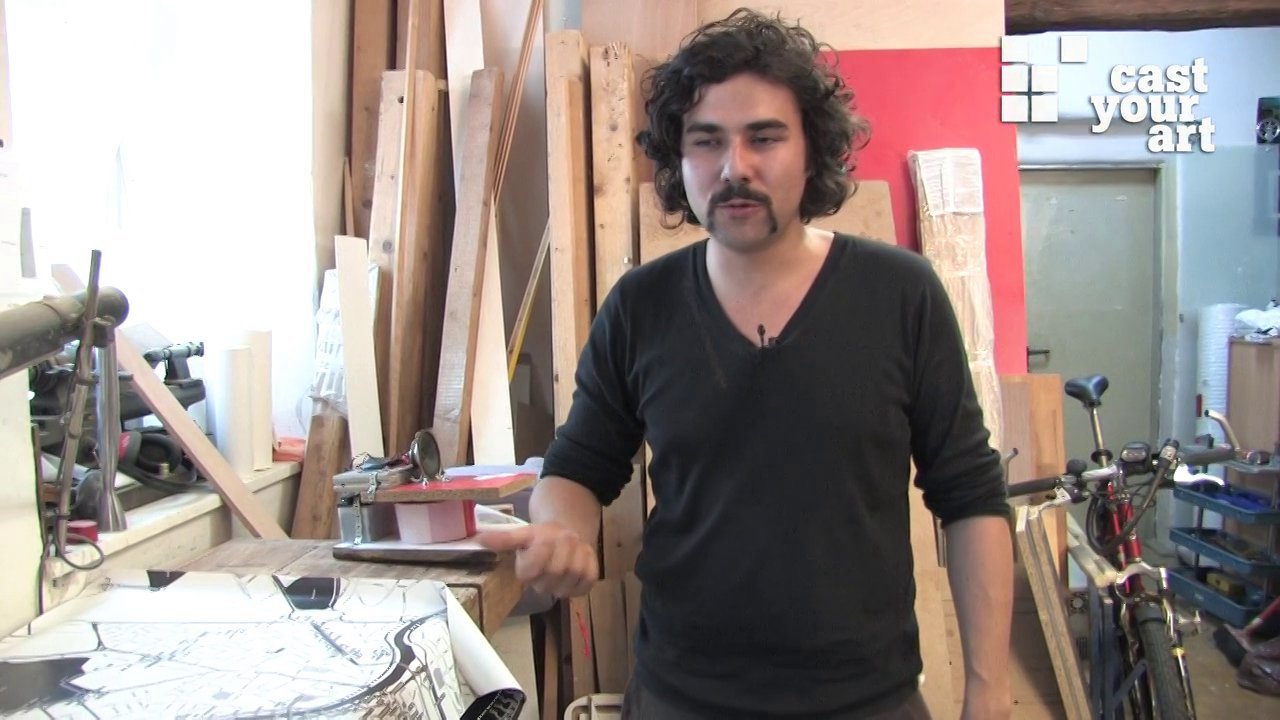
Gordan Savicic - Lat 54.136696 Long 13.771362
11. September 2008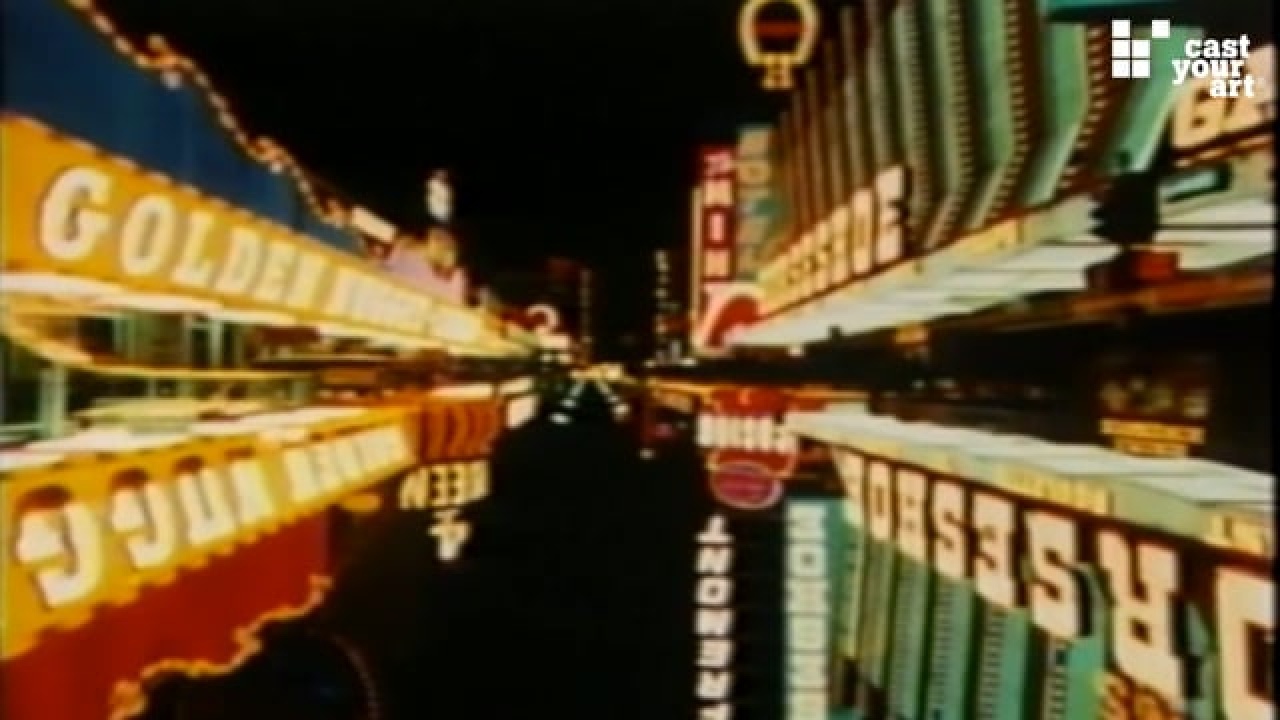
DOWNTOWN DENISE SCOTT BROWN. Legende, Geheimtipp und Ikone
18. December 2018
Götz Valien - Undisguised Seduction
16. September 2009
GREGORY CREWDSON. Retrospektive in der Albertina
24. June 2024
ALBRECHT DÜRER. Feldhase
31. May 2016
Lyonel Feininger and Alfred Kubin - A friendship of artists
16. September 2015
THE BEGINNING. Art in Austria, 1945-1980. #9 Feminist Avant-Garde
23. October 2020