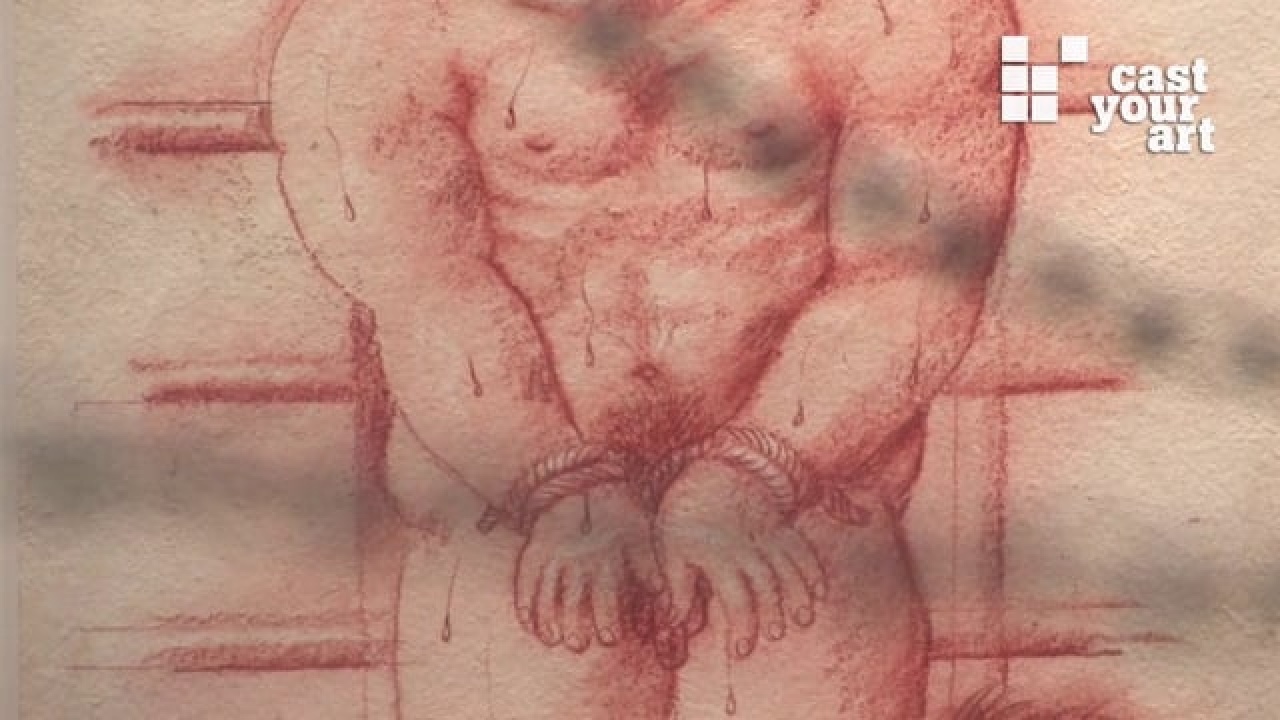


Füsun Onur - Silent Music
The openness of her parents — to both traditional Islamic positions as well as the value system of the recent secularly oriented republic — was passed on to the children. Their upbringing allowed for independent thinking and provided the incentive to take autonomous positions. Füsun Onur studied with Hadi Bara at the Academy of Fine Arts in Istanbul, who broke with the tradition of sculpture in the form of official monuments in the fifties. A five-year postgraduate degree in the USA followed, after which she returned to Istanbul, where she has been continuing her artistic work in Kuzguncuk.
Füsun Onur has played an important role in the development of modern Turkish art, possessing the power not only to invent her own view of things beyond reality, but also to create the space for such a world. Füsun Onur, among other artists, is responsible for avant-garde currents making their way into the primarily traditionally-oriented art enterprise of Turkey in the early 70s. Her independent approach not only strengthened other modern artists at this time, but she also continues to affect and inspire recent generations of Turkish artists.
This art has not only been long overlooked in its own country, but internationally as well, and it has finally been discovered through the Istanbul Biennales of the 90s. With this international interest, Füsun Onur’s installations have moved into the forefront. Since the 90s, her work has been exhibited in Germany, the Netherlands, France, Japan, and Russia, among other countries.
Onur’s work is about realization. Approaching things without consideration, without the burden of tradition, exposes them. The now is important, which also applies to her own artistic practice: “I never look back. When it's done, it's done.” Her work develops through precise mental conception: only when a work of art is finished—which for Füsun Onur means completely thought out—are considerations of its practicability wasted. Mental starting points for her artistic work lie in the materiality of things, in everyday or found objects, in spatial defaults. Her sculptural terms are wide-ranging, lately she has been seeking ways to arrange her art as a musical score. She likens her sculptures to silent music – each piece performed one by one, no one being the same.
The Yapi Kredi publishing house recently released For Careful Eyes, covering the artist’s work, written by Margrit Brehm for René Block’s series “Contemporary Art in Turkey”. (wh/jn)
Das könnte Sie auch interessieren
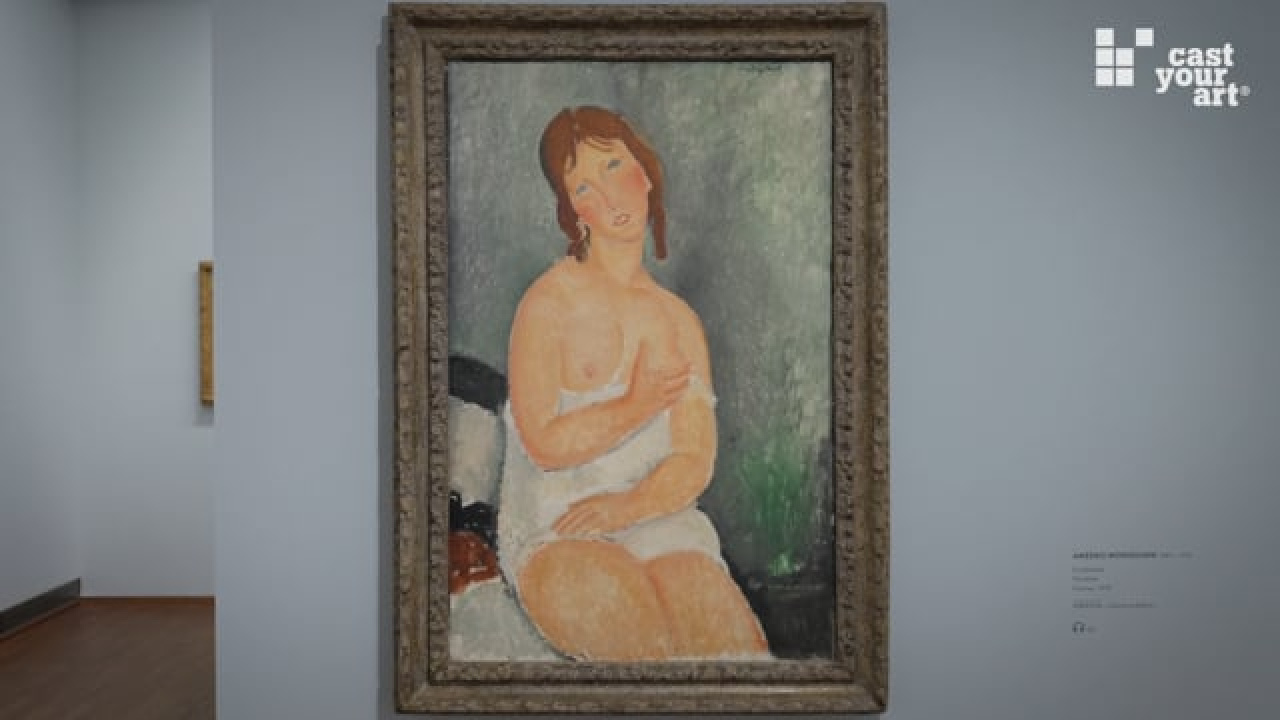
AMEDEO MODIGLIANI. Female Semi-Nude, 1918, Batliner Collection
16. August 2021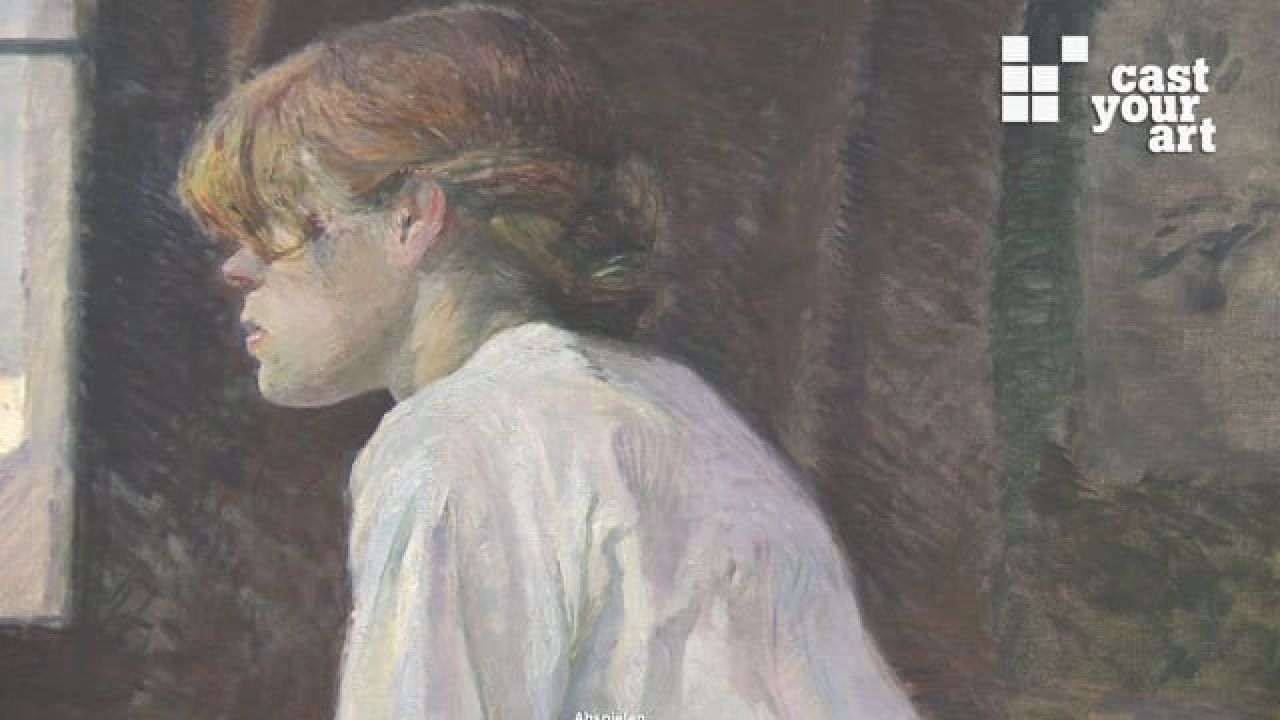
HENRI DE TOULOUSE-LAUTREC. The Path to Modernism
23. October 2014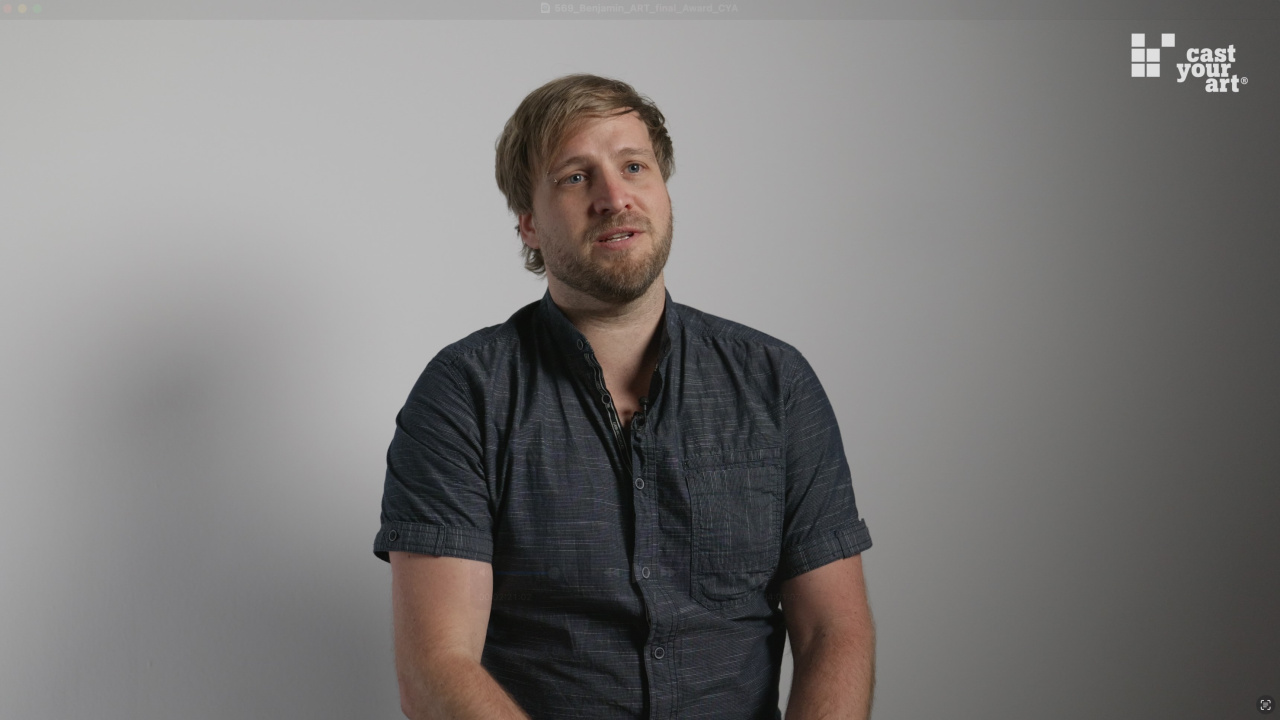
BENJAMIN BURKHARD. Zwischen Schönheit und Entropie
26. September 2025
KATHARINA GROSSE. Why Three Tones Do Not Form a Triangle
12. December 2023
Allyson Mitchell - Furry Crits
12. May 2010
Love in Times of Revolution - Artist couples of the Russian avant-garde
23. October 2015
ANTON CORBIJN. Favourite Darkness
14. March 2025