

IM ERWEITERTEN RAUM. Wenn Kunst Begegnung schafft
What happens when painting and drawing leave the surface of the canvas and begin to unfold in space, in dialogue, and in encounter? The exhibition "Im erweiterten Raum" at the Künstlerhaus Vereinigung Vienna—featuring selected works from the STRABAG ART Collection—opens precisely such a field of perception: one in which images are not only looked at, but experienced, moved through, and questioned.
In this exhibition portrait, artists Natascha Schmitten, Robert Gabris, and Stefan Peters, together with Künstlerhaus director Günther Oberhollenzer and STRABAG ART lead Sebastian Haselsteiner, reflect on what it means to work with and within images today. What emerges is not a single narrative, but a constellation of approaches to painting and drawing as living, relational practices.
For Natascha Schmitten, painting begins in moments where opposites touch: abstraction and figuration, proximity and distance, body and perception. Her works move in a space of becoming—where connection is always on the verge of forming, but never fully fixed. In this fragile interval, she locates the essence of artistic experience: a possibility of contact that can be physical, visual, or deeply internal.
Robert Gabris opens another dimension of the exhibition: that of storytelling as resistance and self-determination. His work draws on oral traditions, on queer and Romani narratives that have often been excluded from institutional memory. By bringing these stories into the museum space, he creates a place of visibility and encounter—where history is not only represented, but actively retold. His practice insists on one clear gesture: stories must be spoken by those to whom they belong.
Stefan Peters, in turn, rethinks landscape as a constructed field of perception. His paintings are not depictions of a place, but invitations to see seeing itself. Through layered structures, shifting perspectives, and visible processes of making, he turns painting into an active experience—one that asks viewers to complete the image in their own mind. What appears at first glance familiar becomes a space of movement, ambiguity, and participation.
Curatorially, the exhibition is guided by the idea of dialogue—between works, media, generations, and perspectives. As Günther Oberhollenzer emphasizes, Im erweiterten Raum is not only about showing painting and drawing, but about expanding how we encounter them: into space, into movement, into lived experience. The exhibition becomes a field of relationships, where connections are sometimes visible, sometimes subtle, but always present.
At the same time, the STRABAG ART Collection itself forms an essential part of this dialogue—an ongoing commitment to bringing contemporary art into public and shared spaces. Rather than remaining in storage, the works enter into circulation, encounter, and visibility across different contexts. In this sense, the exhibition is not only a presentation, but also an invitation: to engage with art as something that moves between institutions and audiences, between private engagement and public experience.
"Im erweiterten Raum" ultimately proposes a simple but radical idea: that painting and drawing are not confined to surfaces, but unfold in relationships—between image and viewer, between story and space, between what is seen and what has yet to be imagined.
https://strabag.art/Das könnte Sie auch interessieren
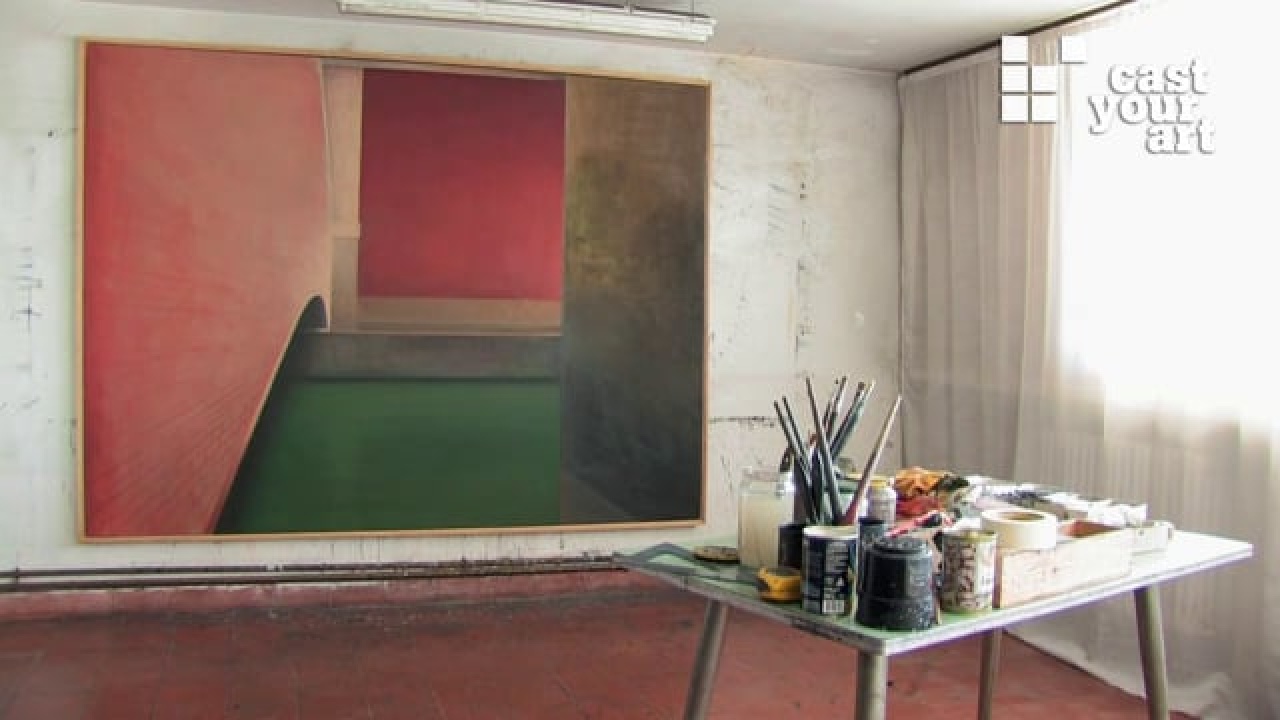
Eduard Angeli - The remnants of man
19. June 2012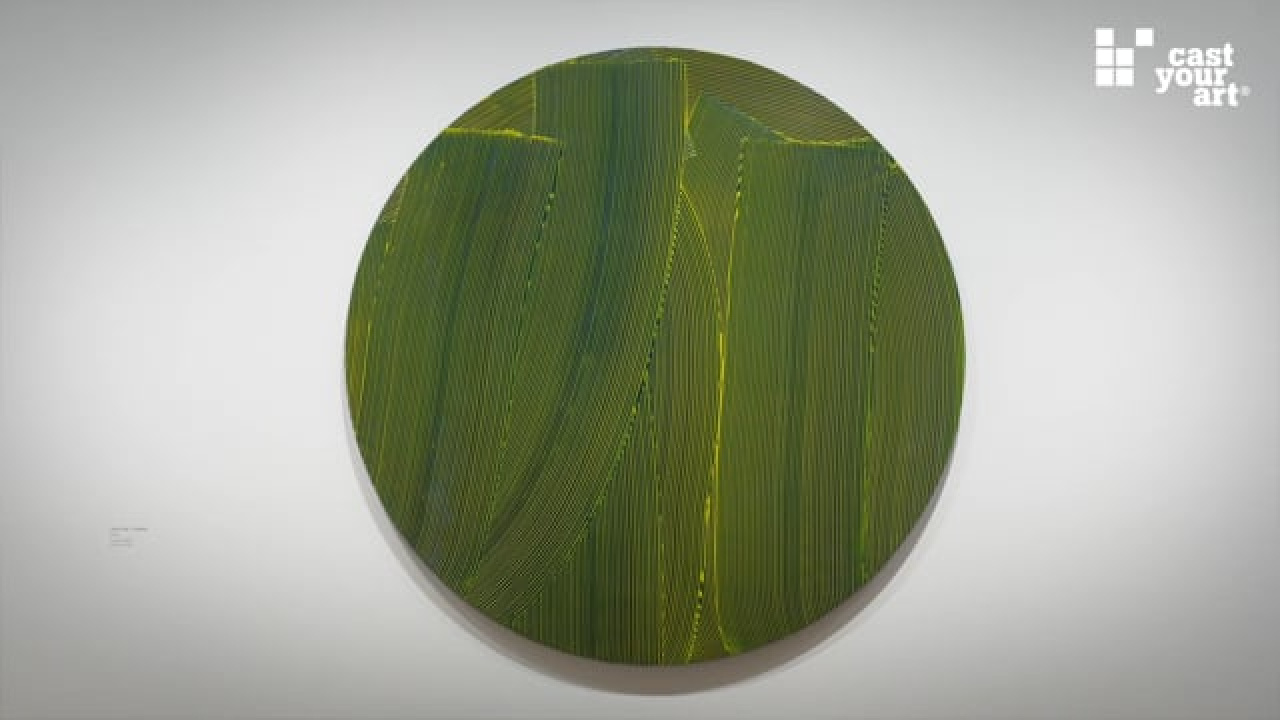
JAKOB GASTEIGER. Post radical painting at the Albertina
4. May 2021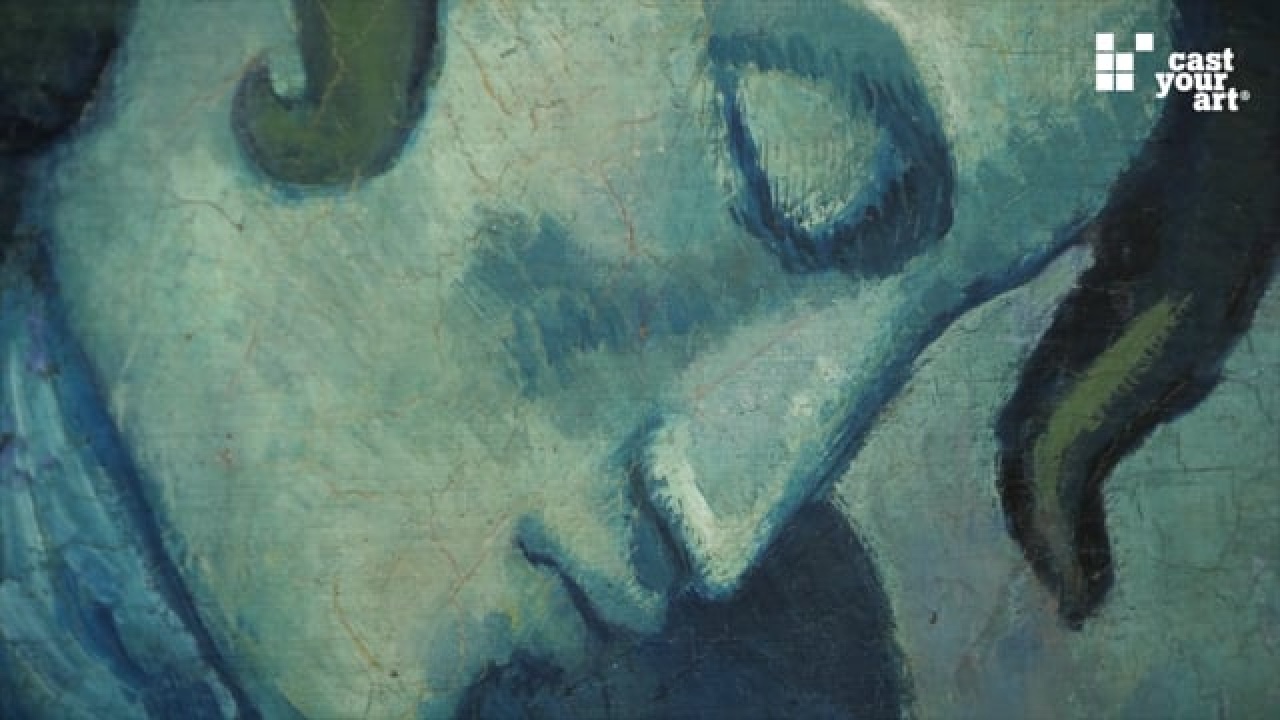
PICASSO. Marking the 50th Anniversary of his Death
27. March 2023
ANSELM KIEFER. Die Arbeit am Mythos Mensch
14. April 2016
CHAOS - COSMOS. Die große Zaubershow. TOMAK im Interview
18. March 2019
ERWIN WURM. The side of the absurd
17. October 2024
Lyonel Feininger and Alfred Kubin - A friendship of artists
16. September 2015